Mice Control
Mice Control in Connecticut — what the job involves, what affects the price, and how scheduling works, explained before you book.
When ticks turn up on pets after yard visits, Connecticut Pest Pros can help with tick control and practical guidance for Connecticut homes. A bed bug interceptor fits beneath a bed leg to help reveal movement, while a bait station holds rodent bait in a secured housing rather than loose on a floor.
Certified professionals across Connecticut covering your full service needs.
Mice Control in Connecticut — what the job involves, what affects the price, and how scheduling works, explained before you book.
Yards and homes in Connecticut with termite treatment — mound checks, baiting or exclusion plans, and prevention tips explained before treatment.
Bed Bug Treatment in Connecticut — inspection, treatment options, and follow-up timing from licensed local applicators.
Cockroach Treatment in Connecticut — inspection, treatment options, and follow-up timing from licensed local applicators.
Yards and homes in Connecticut with ant control — mound checks, baiting or exclusion plans, and prevention tips explained before treatment.
Wasp Nest Removal in Connecticut — inspection, treatment options, and follow-up timing from licensed local applicators.
Yards and homes in Connecticut with tick control — mound checks, baiting or exclusion plans, and prevention tips explained before treatment.
Mosquito Treatment in Connecticut — inspection, treatment options, and follow-up timing from licensed local applicators.

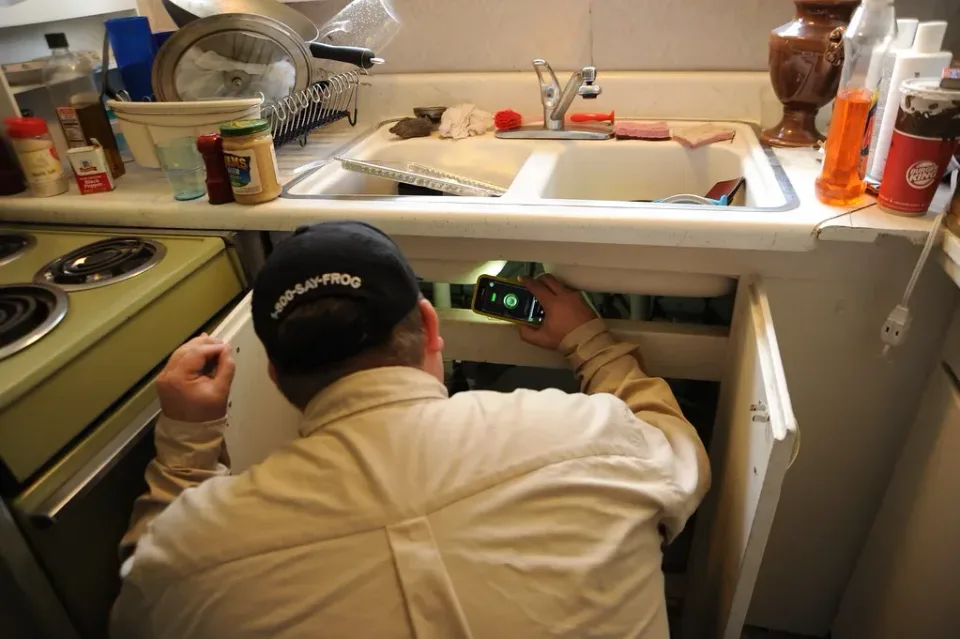
Hartford homes near the Connecticut State Capitol include properties with older foundations and utility openings that need a close look; we inspect those access points before choosing a treatment.
The plan starts with the pest and the conditions that support it. Integrated pest management (IPM) means we pair targeted treatment with practical prevention instead of relying on a product alone.
Connecticut Pest Pros can provide Connecticut pest control company quotes that identify the work being proposed, so you can compare the scope rather than guess what a visit includes. We explain what we find and why a treatment fits the affected area.
Clear findings matter. Cold winters and recurring snow and ice can push pests toward sheltered indoor spaces, so exterior checks belong in the conversation too. We schedule a scope review and explain the proposed work before it begins. Call (855) 681-0299 to discuss the property and request a quote.
Connecticut Pest Pros coordinates inspections and treatments across Connecticut’s regional markets.
Technicians consider the property and pest activity they find before recommending treatment or follow-up.
Technicians explain what they find and discuss the work before moving ahead. That helps you understand the pest activity, the treatment being considered, and any follow-up recommendations for your property.
The team’s experience includes local pest pressures such as rodents seeking shelter and seasonal insect activity.
A line of ants is a visible sign of activity. Notice where the trail appears and whether it leads toward food or a small opening. Keeping food sealed and surfaces clean can help you track whether ants continue appearing.
Fine webbing around stored food can be a sign of pantry moth activity. Check food packaging and nearby shelves, and keep affected items separate. Take note of where you find webbing so the source can be assessed.
Spring rain can increase basement dampness and flooding, while freeze-thaw cycles may loosen foundation joints. An inspection can help identify pest activity and openings around the property, giving you a chance to address concerns before warmer conditions support more insect activity.
Warm, humid conditions support mosquito and tick activity, and indoor moisture can remain a concern. An inspection can help identify pest activity around the property and guide treatment or follow-up recommendations based on what the technician finds.
Leaf litter can shelter rodents and insects, while cooling temperatures may drive pests toward buildings. An inspection can help identify activity and possible entry points around the property, with recommendations tailored to the pest and conditions found.
Cold weather and snow cover can push rodents toward heated buildings, and early freezes may extend indoor pest activity. An inspection can help identify signs and possible entry points, with treatment and follow-up recommendations based on the activity found.
Pesticide work is regulated, so ask whether the provider holds the applicable Connecticut DEEP pesticide applicator licensing. You can also ask about insurance and professional affiliations to understand the provider’s stated qualifications and business practices.
A clear scope helps you understand which areas and tasks are included and what may require separate attention. Ask the provider to explain the work in plain language before you agree to proceed.
Written terms can clarify the service scope, follow-up recommendations, and any ongoing commitments. Ask what you are agreeing to, how long the arrangement applies, and how recommendations may change based on pest activity.

If you find a pest indoors or evidence around the building, we can inspect the affected area and recommend a service matched to the species and property. The right scope matters.
For activity in kitchens or wall voids, Mice Control addresses rodents, while Rodent Exclusion focuses on closing routes back inside. A mud tube or other wood-damage concern calls for Termite Inspection before any treatment choice.
For bites or insects found around sleeping areas, Bed Bug Treatment starts with identifying affected rooms and planning preparation. Cockroach Treatment can target activity around damp kitchen fixtures, and Wasp Nest Removal addresses nests near building openings.
Connecticut’s warm, humid summers support mosquito and tick activity, so we also help homeowners decide when outdoor treatment makes sense. Around Yale University, New Haven, older buildings and busy homes have different access needs; we tailor the inspection to the actual site. Explore our pest control services or ask us to review the issue.
A small interior problem and a whole-structure issue do not take the same work. We give clear, itemized quotes that connect the proposed scope to the property and treatment method.
Mouse treatment commonly ranges from $150–$500, depending on infestation size and follow-up needs. Termite treatment is often $500–$2,500; structure size and treatment method shape the quote.
Bed bug treatment may run $300–$1,500 based on rooms treated and preparation. Cockroach treatment often costs $150–$500, with severity and repeat visits affecting the scope. Mosquito treatment can be $75–$200 per visit, depending on yard size and seasonal schedule.
A pencil-width opening of about 1/4 inch can be enough for a mouse, so access points may affect the work involved. Nor’easters bring coastal wind, rain, and snow that can complicate exterior access. Final quotes vary by scope, infestation, access, and site conditions. Call (855) 681-0299 for a quote based on your property.
Reach our Connecticut team or ask about coverage in other markets.
Straight answers for customers in Hartford, CT on pricing, scheduling, and coverage.
Rodent exclusion is useful when inspection identifies an entry point that can be sealed as well as current activity that needs control. Ask us to inspect the likely route and explain whether trapping, exclusion, or both fit the building.
Tick treatment is planned around outdoor conditions and the areas people and pets use, rather than a single statewide date. After yard visits, check pets and people; remove an attached tick promptly and discuss recurring yard activity with Connecticut Pest Pros.
Yes, residual treatment may be appropriate when inspection identifies labeled surfaces where cockroaches travel, but it is not a substitute for correcting moisture or food access. We’ll identify the activity and follow the product label’s approved use directions.
A termite mud tube warrants an inspection, but its presence alone does not establish the full extent of activity or damage. Avoid disturbing the area, take a photo if practical, and arrange a Termite Inspection to assess the surrounding structure.
Yes, both concerns can be discussed during one property review, though each needs its own inspection findings and treatment plan. Tell Connecticut Pest Pros which rooms or areas are affected so we can scope the work and explain any access needs.
Select a city to find local pest control providers we cover in Connecticut.
Recent pest control project photos.