Inspect Before Treating
Every job starts with identifying the pest and its activity before any treatment is chosen. That means the product and plan match the actual problem, not a guess, and you know what was found before work begins.
Lordship sits on a narrow coastal strip where Nor’easters push wind, rain, and snow straight off Long Island Sound and against homes near the Lordship Seawall. That weather does two things pests love: it drives rodents inland toward heated buildings and it opens gaps in salt-weathered siding that were sealed last spring. Our team handles both.
We cover the whole 06615 peninsula raised beach houses near Stratford Point Lighthouse, postwar ranches off Short Beach Park, and cottages along the Lower East End. Early freezes can stretch indoor pest activity well past fall, so a mouse problem noticed in November rarely waits politely until January. We inspect, treat, and exclude with that seasonal clock in mind.
Every visit starts with a clear inspection finding: what pest, where it entered, and what it will take to stop it. No jargon, no vague estimates. Call (855) 681-0299 and we will route a technician to Lordship, usually the same week you notice the scratching.
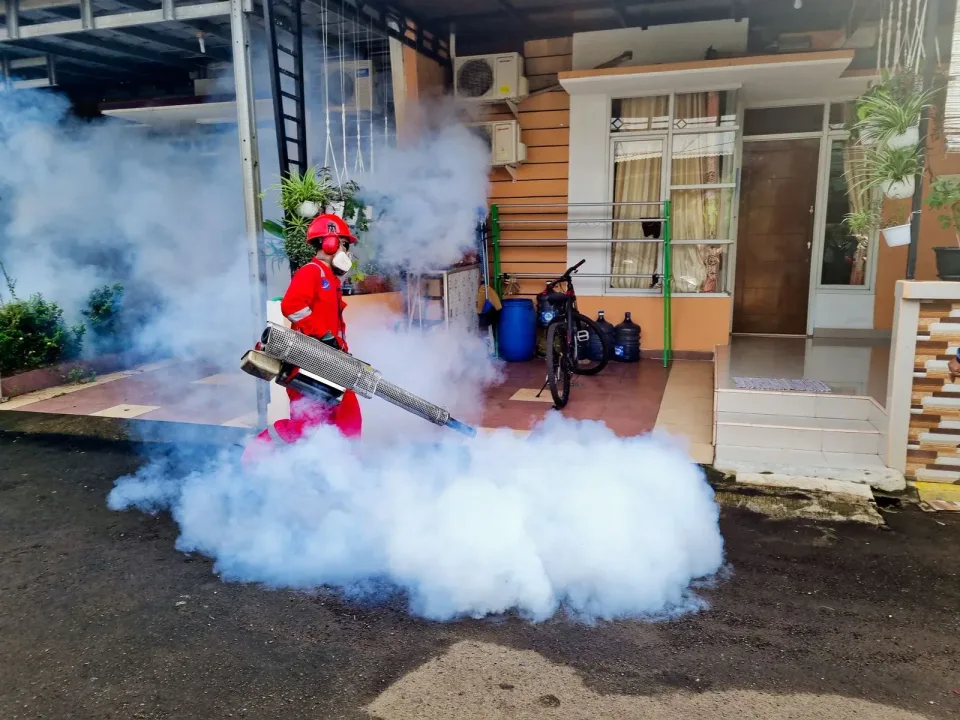
Lordship’s coastal position between Sikorsky Memorial Airport flight paths and the Stratford Point Lighthouse shoreline creates pest pressure most inland towns never see. Salt air corrodes exterior hardware and weatherstripping, so door sweeps and vent covers that hold up elsewhere fail faster here. Freeze-thaw cycles loosen masonry and foundation joints on older postwar ranches, and every opened joint is an entry point for mice.
We schedule around your access many beach houses here sit on pilings with tight crawlspaces and we tell you exactly what we found before any treatment begins. Expect a written plan, honest timing, and follow-up visits when the pest lifecycle calls for them.
Yes mice, ticks, and basement moisture pests top our Lordship call list, and the reasons are specific to this peninsula. Snow cover each winter drives rodents toward heated buildings, so homes near Short Beach Park and the Lower East End see mice pushing inside from November through March. Autumn leaf litter piled against coastal cottages shelters both rodents and insects until the first hard frost clears it.
Three situations bring us out most often:
Scratching inside walls at night, usually mice that entered through a foundation gap widened by spring rain and basement dampness.
Ticks found on pets after yard visits, a warm-season problem on grassy lots near the Sound.
Cockroaches appearing near kitchen drains in humid summer months, when high indoor moisture gives them what they need.
Our crew inspects the crawlspace and foundation line first, because that is where coastal homes fail. A quick self-check: run a flashlight along your basement sill at dusk and look for droppings or grease marks. If you find either, call (855) 681-0299 before the population grows.
Warm, humid summers along the Lordship shoreline support heavy mosquito and tick activity, and the U.S. Centers for Disease Control and Prevention treats both as genuine health concerns, not just annoyances.
Lots near Short Beach Park and the grass corridors toward the Lordship Seawall hold standing moisture after summer thunderstorms, which is exactly where mosquito breeding takes off. Our mosquito treatment and tick control plans target those harborage zones shaded grass edges, under-deck spaces on raised beach houses, and fence lines.
Follow-up timing varies by pest and treatment, and we plan it that way on every job. A tick barrier applied in June needs a different return schedule than a wasp nest removal in a crawlspace vent.
Every technician on our team carries Connecticut pesticide applicator certification, so treatments near the Sound follow label directions for coastal application. Check your own yard after mowing: if grass stays damp past midmorning, mosquito pressure will build within weeks. We can walk the property with you and mark the spots worth treating.
We cover every corner of the Lordship section of Stratford, and each area brings its own pest pattern. In Cedar Beach, raised beach houses on pilings leave open crawlspaces where rodents and wasps nest exclusion work there starts at the lattice and vent screens. The Lower East End mixes older cottages with year-round homes, and aging foundation joints keep our mice-control crews busy each winter.
Laurel Beach homes sit close to dune grass and tidal marsh, so tick and mosquito treatments lead the summer schedule there. In Stratford Center, tighter lots and mature trees push ants and wasps toward siding and attic vents.
Wildermere Beach properties deal with salt-weathered siding that opens gaps wide enough for mice a pencil-width gap, about 1/4 inch, is all they need. Riverclill’s quieter streets see the full seasonal cycle, from fall rodent pushes to spring ant trails.
One call to (855) 681-0299 reaches all six areas; we route from our Connecticut dispatch and quote the visit before we roll.
Every job starts with identifying the pest and its activity before any treatment is chosen. That means the product and plan match the actual problem, not a guess, and you know what was found before work begins.
Salt air, coastal storms, and flooding change how pests move through Lordship properties.
From the first call to the final check, here is how a treatment moves through.
Call and Scheduling
You get a visit window and a heads-up on what to clear before the technician arrives.
Full Inspection
The technician identifies the pest and the activity level, checking basements, foundations, and entry points. You get a plain explanation of what was found and where the problem is coming from.
Treatment Work
Treatment is selected based on the inspection, and entry points are addressed where appropriate. You get guidance on keeping children and pets away during any restricted entry period.
Follow-Up Plan
Follow-up is scheduled around the pest’s life cycle and monitoring results. You get a clear recommendation on whether another visit is needed and when to expect it.
Across pest control calls, the most common reasons people reach out are rodents, general pest control and ants.
A technician inspects the unit, confirms the extent of the activity, and walks the owner through what a heat treatment involves before quoting the work. The owner gets a written scope for the treatment and knows what prep the unit needs before the crew returns.
A technician checks mattresses, seams, and sleeping areas to confirm whether bed bugs are present, then explains treatment options and what the household should do first. The customer gets a confirmed identification, a treatment plan, and prep steps so the first service visit goes smoothly.
Mud tubes along the basement foundation are a classic termite sign. Termites build these covered tunnels to travel between soil and wood. If you spot them, avoid breaking them open and call for an inspection so activity can be confirmed and treated.
Wasps entering through attic vents often means a nest is forming inside the roofline. Watch the vent from a distance at midday when traffic peaks. Do not seal the opening while wasps are active, since that can push them into living space.
Warming soil wakes termites and pushes ants toward foundations. Nor'easter flooding from winter can leave damp wood and foundation cracks that invite activity. A spring inspection catches new colonies before they settle in.
Ticks and wasps peak as yards get heavy use. Salt-air humidity keeps coastal homes attractive to roaches and ants. Treatments in summer target nests and yard populations while they are most active and easiest to reach.
Cooler nights push rodents and insects toward walls and attics. Sealing entry points now matters more than any spray, because pests spend the cold months inside. Fall service closes gaps before mice move in.
Mice shelter in basements and wall voids, and coastal storms can force them inland from dunes and marsh edges. Winter is a good time to treat indoor activity and plan exterior work for the thaw.
Pesticide work in Connecticut requires DEEP applicator licensing. Asking up front confirms the person treating your home is legally qualified to apply products there.
Basements, attics, and treatment areas need to be reachable, and food and pet supplies secured. Asking ahead avoids a wasted trip and rescheduling.
Some work is a single visit and some involves ongoing monitoring. Understanding terms before signing prevents surprises about repeat visits or commitments.
Request a quote online or contact our Lordship, CT team directly by phone or email.
Yes. We cover the full 06615 peninsula, including Cedar Beach, the Lower East End, Laurel Beach, and homes along the Seawall corridor. Raised beach houses and salt-weathered cottages are routine work for our crews, and we plan access around pilings and tight crawlspaces before the visit.
A mouse needs only about a 1/4 inch pencil width. On postwar ranch homes here, freeze-thaw cycles and salt air open foundation joints and door sweeps fast, so we pair every mice treatment with rodent exclusion: sealing entry points with materials that hold up to coastal weather.
Start in late spring, before the first heavy stretch of warm, humid weather. Lots near the Sound and marsh grass hold moisture that builds mosquito and tick pressure through summer. We set a seasonal schedule and time follow-ups to the pest lifecycle rather than a fixed calendar.
Yes. We explain the product, treatment area, and re-entry interval before starting any job.
Pest Control is also available in these nearby communities across Connecticut.