Identify Before Treating
Technicians identify the pest and the activity level before selecting a treatment. That means the product, placement, and follow-up schedule match the actual problem instead of a one-size guess.
Homes along the Housatonic River and around Sandy Hook Village deal with pest pressure most Sandy Hook, CT towns never see. River humidity keeps crawlspaces damp, and every hard freeze pushes mice and rats toward warm walls. When early frosts arrive in October, our phone rings within days.
We are the local crew for the whole 06482 enclave dapple-gray colonials near Sandy Hook Village, capes off Church Hill Road, and river-side properties with stone foundations that shift every winter. Freeze-thaw cycles crack mortar joints, and a cracked mortar joint is an open door for a mouse, which needs a gap of only about 1/4 inch to move in.
Our team handles rodent exclusion, termite inspections, flea treatment, wasp work, and full seasonal pest control across Sandy Hook. We inspect first, explain what we found in plain English, and treat only what needs treating.
Call (855) 681-0299 and we will schedule an inspection that fits your week usually within a few days of your call.
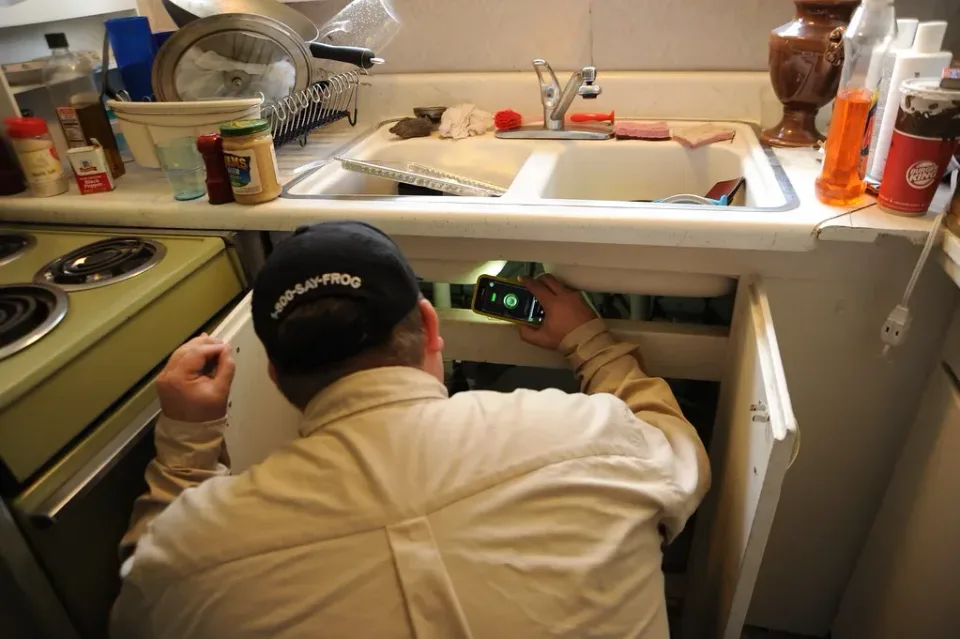
Sandy Hook sits in the lower Housatonic valley, where homes near Sandy Hook Village and the river corridor face a pest calendar all their own. Warm, humid summers here mean mosquitoes breeding in shaded yards by June and ticks riding in on dogs after every walk. Winter is the other half of the story: once snow covers the ground, field rodents lose their food source and head straight for warm basements and wall cavities.
That calendar is exactly what our team at Connecticut Pest Plans treats around. We are a DEEP-licensed, insured pest control company serving Sandy Hook, CT year-round, with inspection-first visits and clear written findings before any treatment starts.
Expect on-time arrival, a technician who explains what he found and why, and a plan matched to your home not a one-size package. Most inspections are scheduled within a few days, and we work around your availability, not the other way around.
Three situations make up most of our Sandy Hook calls. First: mice. Once snow cover settles in, field rodents move toward heated homes, and river-valley properties with older stone foundations give them plenty of entry points. We find the openings, seal them, and set a targeted trapping plan not just bait and hope.
Second: moisture pests. Heavy spring rain keeps basements and crawlspaces damp here, and damp wood plus wet soil draws carpenter ants and termites toward sill plates. We inspect sills, check for mud tubes and frass, and treat only where activity is confirmed.
Third: yard and seasonal pests. Ticks in shaded lawn edges and wasps nesting under eaves peak from late spring through early fall.
Quick self-checks: run a flashlight along your basement sill plate for mud tubes or frass; look for grease smudges along baseboards where mice travel; check your dog’s coat after yard time.
We cover all of Sandy Hook, CT. If you see any of the above, call (855) 681-0299 for an inspection.
Homes near the Housatonic River corridor hold moisture longer than hilltop houses do, and that changes how we treat. High summer humidity keeps sill plates, basement corners, and crawlspace wood damp exactly the conditions carpenter ants and termites look for. Our first step in these homes is always a moisture check before we talk about treatment, because sealing the water problem is half the pest fix.
The U.S. Centers for Centers for Disease Control and Prevention guidance on ticks and mosquitoes shapes how we advise families near Sandy Hook Elementary School and the playing fields yard perimeter treatments timed to the season, not blanket spraying. Every product we apply is verified through the EPA pesticide registration system, so labels match how and where we use them.
One more thing we insist on: follow-up timing differs by pest. Ants, termites, and wasps each need their own return-visit window, and we schedule it when we treat.
Self-check: on a humid August morning, feel your basement sill plate. Damp wood means it is time to call (855) 681-0299.
In the leafy lanes around Sandy Hook Village, older colonials and village storefronts need careful exclusion work a mouse gap of about 1/4 inch is invisible until you know where to look. Out toward the river corridor, damp basements after spring rain make termite and carpenter ant inspections a yearly habit, not an emergency.
Fall matters everywhere here. Thick leaf piles along fence lines and foundation plantings shelter mice and overwintering insects, so we tell customers in every neighborhood to rake back from the foundation before the first hard freeze.
We also serve the commercial side the small shops and offices along the village corridor need discreet, scheduled pest control that does not disrupt business hours, and we build those routes around operating times. Wherever you are in Sandy Hook, one call reaches the same local crew.
Connecticut Pest Pros treats Sandy Hook homes with a plan built around what the inspection actually finds.
Technicians identify the pest and the activity level before selecting a treatment. That means the product, placement, and follow-up schedule match the actual problem instead of a one-size guess.
Ten years of work across Connecticut means the crew knows how older foundations, basements, and utility openings let pests in, and how coastal storms shift pest pressure around Sandy Hook.
Technicians explain what they find, address entry points where appropriate, and recommend follow-up based on the pest and the property, so you know what was done and what comes next.
Every job follows the same straightforward path from first call to finished treatment.
Describe the Problem
You call with what you are seeing, whether that is scratching in walls, bites after sleeping, or droppings in the kitchen. The team schedules an inspection and sets expectations for the visit.
Inspect and Identify
A technician inspects the property, identifies the pest, and confirms where activity is concentrated. You get a clear explanation of what was found before any treatment is discussed.
Agree on the Scope
Based on the findings, the technician recommends a treatment plan and follow-up schedule matched to the pest and property. You approve the scope before work begins.
Treat and Follow Up
The crew treats the agreed areas, addresses entry points where appropriate, and sets monitoring where useful. Follow-up is scheduled around the pest’s life cycle so the work holds.
Across pest control calls, the most common reasons people reach out are rodents, general pest control and ants.
A technician inspects the bedrooms and mattress seams, confirms the activity, and explains what a heat treatment would involve before quoting the work. The homeowner gets a written scope for heat treatment and knows what preparation is needed before the crew returns.
The crew inspects the basement and utility openings, treats for the activity, and addresses entry points where the structure allows it. Activity is reduced and the owner gets a follow-up plan built around the mouse life cycle and monitoring results.
A technician walks the units to see what the bed bug work requires, then provides an estimate covering inspection findings and treatment scope. The owner knows what each unit needs and can schedule treatment unit by unit instead of guessing.
Cockroaches appearing near kitchen drains usually mean a breeding population nearby. Seeing them in daylight often signals the problem has grown past a small hiding group.
Wasps entering through attic vents suggest a nest in the eaves or attic space. Track where they enter from outside so a technician can treat the source, not just the room.
Warming soil wakes termites and ants, and mud tubes or swarmers near the foundation are common first finds. An early inspection catches colonies before they move into framing.
Wasps build nests in eaves and attic vents while ticks thrive in shaded yard edges. Coastal storms can push both closer to the house, so exterior treatments matter most now.
Cooler nights send rodents looking for winter shelter, and gaps around utility lines become highways. Sealing entry points and baiting before cold weather settles in pays off.
Mice nesting in wall voids and basements keep scratching through the cold months. Monitoring and follow-up through winter keeps a small shelter problem from becoming a large infestation.
Kitchen Drain Roaches
Before: Cockroaches kept appearing near the kitchen drains, scattering when the lights came on at night.
After: The crew treated the harborages and drain-adjacent areas, and monitoring stations now track any remaining activity between follow-up visits.
Clearing access to basements and attics, securing food and pet supplies, and keeping children and pets away during restricted entry periods all affect how well treatment works.
Ask whether service is one visit, a short series, or an ongoing plan, and what happens if activity returns between scheduled visits.
Request a quote online or contact our Sandy Hook, CT team directly by phone or email.
Most inspections in Sandy Hook are scheduled within a few days of your call, and we cover the entire 06482 area including homes near Sandy Hook Village and the river corridor. Call (855) 681-0299 and we will find a slot that fits your week.
Yes a mouse needs a gap of only about 1/4 inch, roughly the width of a pencil, to enter a home. On older Sandy Hook colonials and stone-foundation river properties, freeze-thaw cracked mortar joints provide exactly those gaps, which is why we start every rodent job with a full exclusion inspection before setting traps.
Yes. You can ask to see the credential at your first visit we hand it over every time.
Spring is the key season termite swarmers often emerge in spring, and heavy rain keeps river-valley basements damp, which attracts subterranean colonies toward damp sill wood. If you spot mud tubes on foundation walls or discarded wings on a windowsill, schedule a termite inspection rather than waiting.
Secure pets, clear stored items away from baseboards and inspection areas, and follow any prep instructions we give you in writing. After treatment, respect the labeled re-entry window we specify, and we will schedule the follow-up visit matched to the pest’s life cycle.
Pest Control is also available in these nearby communities across Connecticut.