Local Property Knowledge
The team’s Connecticut experience includes older foundations, basements, and utility openings that can provide pest entry points. Technicians consider the property and pest activity before recommending treatment.
Norwich’s cold winters and recurring snow and ice can push pest activity indoors, where older foundations and utility openings offer places to shelter. In Thamesville and Baccus Corner, our crew checks the building itself before recommending a treatment.
Early freezes can extend indoor pest activity, so a problem that starts as temperatures drop may persist after the first cold snap. We inspect entry points, identify the pest, and explain practical treatment and prevention steps for Norwich homes and businesses.
Our work also takes us around Norwich Free Academy, where local property needs can vary from one building to another. We coordinate appointment details and access with you, then tailor the inspection to the affected rooms and structure.
Our team will arrange a visit and explain what to prepare before we arrive.
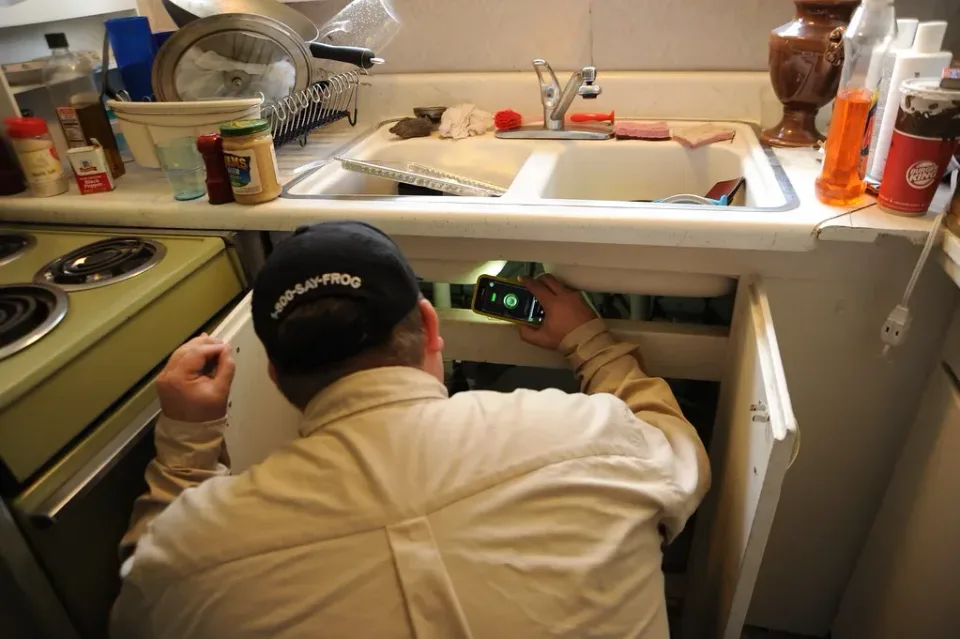
Norwich’s historic buildings near Leffingwell House Museum and its changing property types call for an inspection based on the structure, not a one-size-fits-all plan. Seasonal rainfall can raise moisture in crawlspaces and basements, so we check those areas when access allows. Snow cover can also drive rodents toward heated buildings; we look for likely entry points and signs of activity before discussing next steps.
Connecticut Pest Pros serves Norwich, including property owners who need pest inspections and treatment planning. Our team coordinates appointment times, confirms access needs, and explains what we find before work begins. Expect clear findings and practical prevention advice.
Scratching inside walls at night can point to animal activity around an entry opening; we inspect accessible gaps and nearby evidence before planning rodent proofing. Nor’easters can bring wind, rain, and snow that expose weak exterior openings, so check visible foundation and siding joints after a storm without climbing or dismantling anything.
In Norwich’s warm, humid summers, mosquitoes and ticks can be active around outdoor areas. We assess the property and explain what treatment or prevention fits the site; you can check pets and clothing after yard time. Summer thunderstorms may drop heavy rain in a short period, so tell us if water has reached the areas being inspected.
We coordinate service across Norwich ZIP codes 06380, 06389, and 06360. If signs persist or you need an inspection, our team can arrange a visit.
Freeze-thaw cycles can loosen masonry and foundation joints, creating inspection points on Norwich’s older buildings. Near Slater Memorial Museum, our crew checks accessible exterior joints and interior signs before recommending treatment or repairs; a homeowner can safely look for visible gaps from ground level.
The National Integrated Pest Management Road Map emphasizes using inspection and monitoring to guide pest decisions, rather than treating without identifying the problem. We apply that practical sequence to the property and record what needs attention.
For any pesticide use, the EPA Pesticide Product and Label System lets customers review the product’s approved directions; our team follows the applicable label and explains preparation and re-entry instructions. Norwich’s varied buildings make a careful site assessment useful. Bring us in when you find signs you cannot confidently identify.
We serve homes and businesses throughout Norwich, including several named neighborhoods. In Thamesville, our team can inspect accessible foundation edges and interior signs as part of a pest visit.
Baccus Corner property owners can share where activity appears so we can focus the inspection. In Greenville, we coordinate entry and appointment details with the resident or site manager.
Hallville customers can point out the rooms or exterior areas they want checked. Shewville is also within our Norwich service coverage, with treatment recommendations based on the pest and property findings.
A do-it-yourself pest control attempt may not address the source if the pest or entry point has not been identified; note where and when you see activity before changing anything. Some customers prefer no-pesticide pest control approaches, which can include inspection and prevention steps.
If pesticide use is proposed, EPA label requirements govern approved directions. A pest control company should explain the findings and plan before work begins.
Get clear communication and pest service planned around your property.
The team’s Connecticut experience includes older foundations, basements, and utility openings that can provide pest entry points. Technicians consider the property and pest activity before recommending treatment.
Technicians explain what they find and discuss the work before treatment begins. You can understand the proposed scope and ask questions about access, preparation, and recommended follow-up.
Recommendations are based on the pest and property, with follow-up planned around monitoring and pest life cycles.
Cockroaches near kitchen drains can signal activity around plumbing or nearby hiding places. Note where and when you see them, and keep food, dishes, and pet supplies secured before a technician visits.
Wasps entering through attic vents may indicate an access point worth checking. Observe their entry location from a safe distance, and avoid blocking the opening or disturbing the area yourself.
Ticks found on pets after yard visits can be an early sign of outdoor exposure. Keep track of where pets spend time and discuss the concern with a pest professional for property-specific guidance.
Mud tubes along a basement foundation can be an early sign of termite activity. Avoid breaking them apart before an inspection; their location and condition may help a technician assess what is happening.
Spring inspections can help identify termite activity as conditions warm and outdoor pests become more active. Check foundations and accessible areas, especially after heavy rain or river flooding, and ask about concerns specific to your property.
Summer is a useful time to discuss tick exposure around yards and pest activity near the home. After heavy rain or river flooding, inspect accessible areas for signs of pest entry and ask a technician what needs attention.
Fall inspections can help address openings pests may use as conditions change. Ask a technician to assess accessible foundations, basements, and utility openings, particularly if heavy rain or river flooding has affected the property.
Mice may seek shelter indoors during winter, making this a practical time to discuss signs of activity and possible entry points. Keep basements and other inspection areas accessible, including after flooding or heavy rain.
Connectict DEEP pesticide applicator licensing is a stated business fact, but the right credentials can depend on the work. Ask which requirements apply to your service and who will perform it.
Knowing which areas and tasks are included helps you compare plans accurately. Ask what the inspection finds, what treatment is proposed, and whether any follow-up is recommended.
Understand any written service terms before agreeing to work. Ask how the scope, scheduling, follow-up recommendations, and any conditions are documented so you know what to expect.
Request a quote online or contact our Norwich, CT team directly by phone or email.
Nighttime scratching can point to rodent activity, but droppings, rub marks, and an inspection flashlight help confirm the pest and its travel routes. Mice can squeeze through gaps about 1/4 inch wide, so ask for entry-point inspection and exclusion recommendations alongside trapping.
Mouse treatment is commonly $150–$500, with the infestation size and need for follow-up affecting the estimate. A technician can inspect for droppings and entry points, then explain whether snap traps, a tamper-resistant bait station, exclusion, or a combination fits the problem.
Trapping removes rodents already inside, while exclusion blocks their entry; the two steps address different parts of the problem. Mice can use pencil-width gaps of about 1/4 inch, so have foundation joints and utility penetrations checked, especially after Connecticut freeze-thaw cycles.
Termite baiting systems monitor termite activity, while liquid termite treatment creates treated zones; the inspection findings help determine which method is appropriate. Look for termite mud tubes and arrange an inspection promptly, since termite swarms often emerge during spring.
Termite treatment is commonly $500–$2,500, with structure size and treatment method shaping the estimate. Ask for a written treatment plan that identifies the termite evidence, whether baiting or liquid treatment is proposed, and how monitoring or follow-up will work.
Arrange the inspection during the home-buying process and before your inspection contingency or closing deadlines, so there is time to review findings. The inspector can check for mud tubes and other visible evidence; spring is also when termite swarms often appear.
Pest Control is also available in these nearby communities across Connecticut.